The Department of Media Studies has been actively engaged in research and scholarly activities over the past decade, demonstrating a sustained commitment to academic rigor and knowledge creation in the field of media and communication. Faculty members of the department have made significant contributions to academic research through publications in reputed journals indexed in Scopus, Web of Science, and UGC CARE. These research efforts reflect the department’s emphasis on quality, relevance, and scholarly impact, strengthening its position within the academic community.
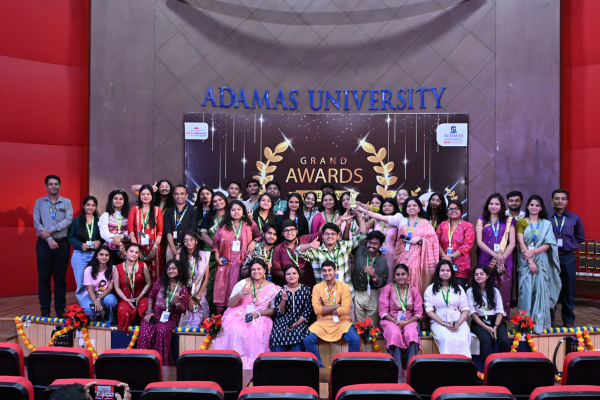
To enhance and sustain a strong research ecosystem, the Department of Media Studies has consistently organized international conferences, faculty development programmes (FDPs), and research-oriented academic events. These initiatives have played a crucial role in nurturing research competencies, improving methodological rigor, and fostering a collaborative research culture among faculty members and research scholars. A seven-day Faculty Development Programme was conducted from March 6 to March 12, 2022, followed by a focused FDP on “Research Paper Writing and Publication in SCOPUS / Web of Science Journals” held from July 10 to July 14, 2023. These programmes were designed to strengthen research writing skills, publication strategies, and awareness of high-impact journals.
In addition, the Department organized the IAMCR-India Webinar Series on Media and Communication Research from August 3 to August 7, 2020. The webinar series was hosted on the Zoom platform and live streamed on Facebook, ensuring wider academic outreach. It was open to both members and non-members of the International Association for Media and Communication Research (IAMCR). Eminent international scholars and academicians such as Dr. Anna Gladkova, Prof. Janet Wasko, Prof. Graham Murdock, Prof. Thomas Tufte, and Prof. Benedetta Brevini delivered sessions, providing participants with global perspectives on contemporary media research. The FDPs and webinar series received significant participation from academicians and research scholars across institutions. Media experts and academicians from national and international institutions, including Dr. Manisha Pathak Shelat, Dr. K. V. Nagaraj, Dr. Padma Rani, Dr. Anna Keszag, and several others, were invited as resource persons, enriching the academic discourse.
The department has demonstrated strong research productivity through active publication in reputed journals and book chapters. Faculty members have published more than twenty research papers in peer-reviewed journals indexed in UGC CARE, Scopus, and Web of Science. In addition to journal publications, faculty members have contributed chapters to edited volumes published by well-known international and national publishers such as Bloomsbury, Routledge, Taylor & Francis, Palgrave, and similar publication houses. These contributions highlight the department’s engagement with interdisciplinary and contemporary research themes.
Over the years, the Department of Media Studies has also published more than nine edited book volumes covering diverse domains such as cinema, advertising, social media, artificial intelligence, communication research, media laws, and development communication. These edited volumes have significantly contributed to the advancement of research and strengthened the department’s overall research output. The department has received copyrights for six edited volumes and is in the process of applying for additional copyrights, reflecting its focus on intellectual property creation.
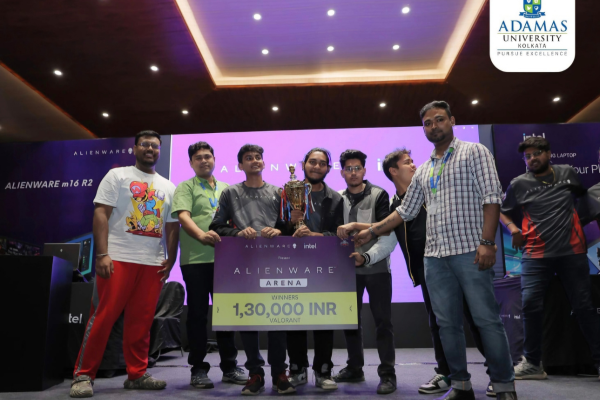
In terms of industry engagement, the department has undertaken consultancy initiatives, particularly in online gaming consultancy projects involving Alienware and Amazon, generating a total consultancy value of ₹1,10,000. Alongside these achievements, the Department of Media Studies continues to actively pursue research funding and government-sponsored projects. Faculty members regularly apply for research grants, and the department aspires to secure external funding in the future to further strengthen its research ecosystem.